Blocked sewer lines can lead to significant issues for homeowners and business owners alike. The consequences of an obstruction extend beyond mere inconvenience; they can local clogged drain service result in costly repairs, unsanitary conditions, and even health hazards. Understanding how to identify a blocked sewer line and knowing the appropriate steps to take can save time, money, and stress.
Recognizing the Symptoms of a Blocked Sewer Line
The first step in addressing a potential sewer line blockage is recognizing the signs that indicate an issue exists. Homeowners often overlook subtle signs until they escalate into more severe problems. Here are some common symptoms that may suggest a blockage:
Slow Draining Fixtures: If multiple plumbing fixtures are draining slowly, it could be an indication of a blockage in the main sewer line. For instance, if your toilet doesn’t flush completely while the sink drains slowly at the same time, this is a strong warning sign.
Unpleasant Odors: Foul smells emanating from drains or sewage backups into sinks or bathtubs signal that something is wrong. This could indicate that waste is not moving properly through the sewer system.
Gurgling Sounds: Unusual gurgling noises coming from your toilets or drains may suggest air trapped in the plumbing due to a blockage. This sound indicates that water cannot flow freely through the pipes.
Sewage Backup: If you notice sewage backing up into your home through toilets or floor drains, immediate action is necessary. This situation not only poses health risks but also requires urgent professional intervention.
Wet Spots in Yard or Basement: Unexplained wet areas near your home’s foundation or in your yard might indicate that wastewater is escaping from a cracked pipe or that there is a blockage preventing proper drainage.
Recognizing these signs early can help mitigate damage and reduce repair costs associated with blocked sewer lines.
Investigating the Cause of the Blockage
Once you suspect a blocked sewer line, investigating its cause becomes crucial. A variety of factors can contribute to obstructions within sewer lines:
Tree Roots
One of the most common causes of blocked sewer lines is tree roots infiltrating pipes. As trees grow, their roots search for moisture underground and can penetrate cracks or joints in older pipes. Once inside, these roots can expand, creating significant clogs.
Debris Accumulation
Over time, debris such as grease, hair, soap scum, food particles, and sanitary products can accumulate in pipes leading to blockages. These substances often build up gradually before causing noticeable drainage issues.
Pipe Damage
Older pipes made from clay or cast iron are prone to corrosion and cracking over time. When these materials degrade, they can collapse or become misaligned, obstructing flow and causing backups.
Improper Installation
In some cases, improperly installed plumbing systems can lead to blockages. Issues such as inadequate slope or tight bends in pipes may hinder proper drainage and increase susceptibility to clogs.
Understanding these potential causes allows homeowners to take informed actions regarding maintenance and repairs.
Steps to Take When You Suspect a Blocked Sewer Line
If you suspect that you have a blocked sewer line based on observed symptoms, taking swift action is essential:
Avoid Using Water Fixtures: Until you ascertain whether there is indeed a blockage, avoid using water fixtures such as toilets and sinks. Continued use may worsen the situation by adding more waste into an already compromised system.
Perform Basic Checks: Look for visible indicators outside your home like pooling water around cleanouts or damp spots on your lawn which may suggest a blockage affecting your property specifically.
Try Flushing Methodically: In some cases where blockages are minor rather than severe clogs throughout the entire system, flushing with hot water might help dissolve buildup within pipes temporarily. However, this should be done cautiously as it may not resolve deeper issues effectively.
Use Drain Cleaning Products Sparingly: While chemical drain cleaners are available on the market for clearing minor clogs caused by soap scum or hair buildup within smaller pipes (like sinks), they should be used sparingly due to their potential corrosive nature on older plumbing systems—especially if used repeatedly.
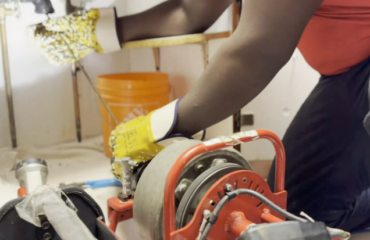
Call a Professional Drain Cleaning Service: If symptoms persist despite initial attempts at resolution—and especially if sewage backup occurs—contacting professional assistance becomes imperative for effective diagnosis and remediation before further damage occurs.
The Role of Professional Drain Cleaning Services
Professional drain cleaning services play an essential role when dealing with blocked sewer lines because they possess both expertise and specialized tools necessary for thorough inspections and repairs:
- Camera Inspections: Many professionals utilize video camera technology enabling them to inspect inside pipes without invasive digging methods; this provides clarity regarding blockages’ locations while assessing underlying pipe conditions simultaneously. Hydro Jetting Techniques: For severe clogs—particularly those caused by grease build-up—hydro jetting techniques unleash high-pressure water jets through affected areas within pipeline systems; this method dislodges stubborn debris effectively while minimizing risk during traditional snaking procedures. Comprehensive Solutions Beyond Clearing Clogs: Experienced plumbers also provide preventative maintenance solutions aimed at avoiding future issues altogether; regular cleanings avert excessive buildup which leads back towards congested drain systems down-the-line significantly improving overall flow efficiency long-term.
Choosing professional drain cleaning services ensures thorough attention while addressing not only existing problems but preventing recurrent ones further down-the-line—a key aspect of maintaining optimal plumbing performance overall efficiency!
Emergency Situations Demand Immediate Response
Certain situations involving blocked sewer lines constitute emergencies requiring urgent attention:
Raw Sewage Backups
Any instances where raw sewage backs up into living spaces demand immediate intervention due both health concerns arising from exposure alongside potential property damage resulting therein if left unattended too long!
Uncontrollable Flooding Events
Heavy rainstorms coupled with pre-existing blockages often lead homes experiencing flooding conditions quickly escalating disaster recovery needs rapidly escalating too!
Essentially prioritizing swift contact with emergency drain clearing service providers facilitates rapid assessment while reducing overall consequential damages likely incurred otherwise!
Preventative Measures for Future Protection
After addressing current issues surrounding blocked sewer lines implementing strategic preventative measures becomes vital:
- Regular Maintenance Schedules: Establishing routine checks conducted every few years helps catch minor buildups before they evolve into larger problems later on needing more extensive interventions down-the-line ensures smooth operations consistently! Mindful Disposal Practices: Educating household members about proper disposal practices prohibits items like wipes—even those labeled “flushable”—from entering systems designed solely for human waste plus toilet paper preventing needless clogging scenarios from arising altogether! Tree Care Awareness: Being mindful about planting new trees near existing pipelines assists homeowners mitigating risks associated with root infiltration damage over time ensuring longevity remains intact!
Taking proactive measures fortifies residential plumbing infrastructures against unexpected disruptions safeguarding investments made towards maintaining functional living environments!
Conclusion
Blocked sewer lines present substantial challenges every homeowner should be prepared for by understanding how best identify symptoms along with executing timely responses thereafter navigating complex situations accordingly ultimately preserving property integrity long term! By adopting preventative strategies combined engaging professionals when needed individuals maintain robust functioning systems promoting healthier lifestyles free from unnecessary hazards efficiently utilizing resources available effectively ensuring peace-of-mind remains intact throughout ownership experience!